 Plant Decoded
The what, why, and how of plants
Plants move, communicate and defend themselves, all without a brain. Plant Decoded is a field guide to the science behind it, written by a plant scientist. Clear answers, real research, and the occasional myth taken apart.
Every plant here is a field note, drawn from its own data.Taller means a longer read.Leaf shape shows the topic.Deeper roots mean more science underneath.
Start here
All field notes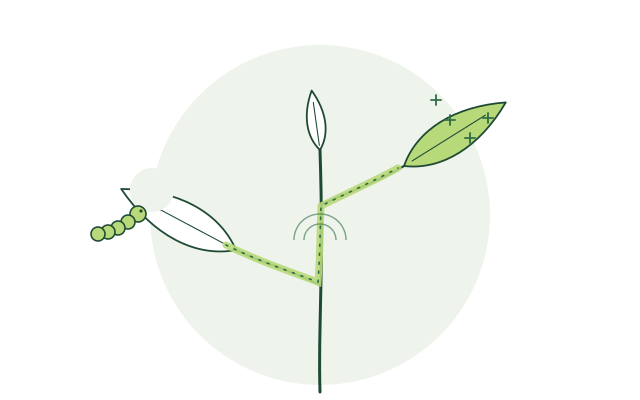
Can plants feel pain?
No, not the way you do. Pain needs nerves and a brain to turn damage into a feeling, and plants have neither.

Do plants make sounds?
Yes, but you can’t hear them. In 2023, scientists recorded stressed tomato and tobacco plants making ultrasonic clicks, far above the range of human hearing.
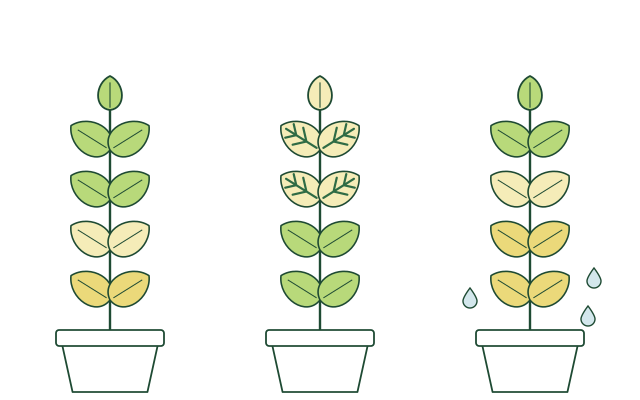
Why are my plant’s leaves turning yellow?
Yellow leaves usually mean the leaf is losing chlorophyll, and where the yellow shows up tells you why.
Four ways in
How plants work
The machinery inside a plant: light, water, roots and hormones.
2 notesPlant behaviour
How plants sense, signal and respond to the world around them.
2 notesGrow smarter
Plant care problems, explained through the biology behind them.
3 notesMyths decoded
Popular plant claims, checked against the research.
3 notesMyth of the month
Myth of the month: the wood wide web
Mother trees warn their seedlings through a fungal internet.
Fungi really do link up with tree roots. But a 2023 review found not one peer-reviewed field study showing trees feeding or warning their young this way.
Read the myth check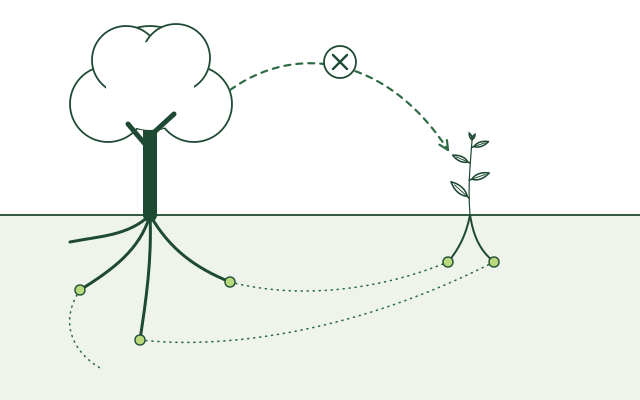
Every field note
Browse by topic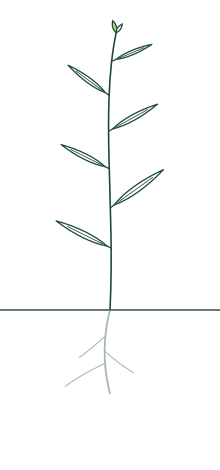
Can plants feel pain?
No, not the way you do. Pain needs nerves and a brain to turn damage into a feeling, and plants have neither.

Do plants make sounds?
Yes, but you can’t hear them. In 2023, scientists recorded stressed tomato and tobacco plants making ultrasonic clicks, far above the range of human hearing.

Can plants hear?
Not with ears, but some plants respond to sound vibrations in surprisingly useful ways.

Do trees really talk through the wood wide web?
Probably not the way you’ve heard. Fungi really do partner with tree roots, and some carbon can move between trees.
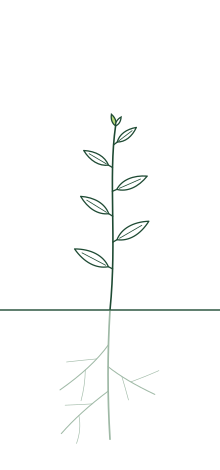
Why do roots always grow down?
Roots grow down because cells in the root tip hold heavy starch grains that sink towards whichever side is down.
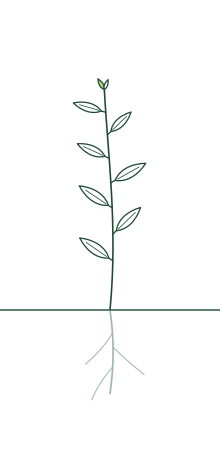
How does photosynthesis work?
Photosynthesis is how plants turn light into food. Leaves capture sunlight with chlorophyll, use that energy to split water, and build sugar out of carbon dioxide from the air.

Why are my plant’s leaves turning yellow?
Yellow leaves usually mean the leaf is losing chlorophyll, and where the yellow shows up tells you why.

What does overwatering actually do to a plant?
Overwatering doesn’t drown a plant with water, it suffocates the roots.

Why is my plant leggy?
A leggy plant is reaching for light. When light is too dim, a plant puts its energy into stretching its stems longer and thinner to find a brighter spot, leaving big gaps between leaves.
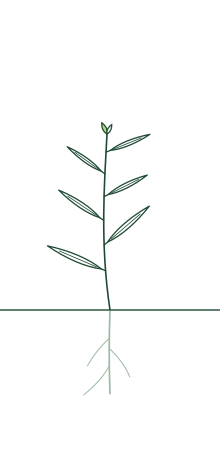
Do houseplants clean the air?
Not in any way you’d notice. Houseplants can remove some pollutants in small sealed chambers, which is where the idea came from.

The scientist behind the notes
I’m Yumna Ahmad, a plant scientist and researcher who still gets excited about what plants can do. I spend a lot of time reading studies most people never will, then turning the good bits into something you’ll actually enjoy.
Every field note starts from the original research. If a claim isn’t backed by evidence, it doesn’t go in. If scientists are still arguing about something, you’ll know.
More about me and how I workGet the next field note first
New notes go up on Instagram and LinkedIn as soon as they’re published.