 Plant Decoded
What does overwatering actually do to a plant?
It isn’t the water that kills the plant. It’s the missing air.
 By
Short answer
Overwatering doesn’t drown a plant with water, it suffocates the roots. Roots need oxygen, and soil that stays soggy pushes the air out. Starved of oxygen, roots stop working and start to rot, so the plant wilts and yellows even though the soil is wet.
Roots breathe too
Leaves get the attention for breathing, but every living root cell needs oxygen too. They use it to burn sugar for energy, the same way your cells do.
Healthy soil is full of tiny air pockets between the particles. When soil stays waterlogged, water fills those pockets. Oxygen moves through water around 10,000 times more slowly than through air, so the roots run short fast. Botanists call that hypoxia.
Why an overwatered plant looks thirsty
This is the part that confuses everyone. Roots damaged by lack of oxygen can’t take up water properly. So the plant wilts and its leaves droop, exactly like it would in dry soil.
The natural reaction is to water it more. That makes things worse. Always check the soil before you reach for the watering can.
Signs you’re overwatering
- The soil still feels wet several days after watering.
- Leaves yellow, starting with the lower ones. More in our note on yellow leaves.
- The plant wilts even though the soil is damp.
- The base of the stem feels soft or looks dark.
- Tiny flies (fungus gnats) hovering over the pot. They love constantly damp soil.
- A sour or rotten smell from the soil.
How to water the right amount
Skip the fixed schedule. Plants use water at different speeds depending on light, temperature, pot size and the season. Instead:
- Push a finger a couple of centimetres into the soil. If it’s dry, water. If it’s damp, wait.
- Use pots with drainage holes, and tip out any water left in the saucer after 15 minutes.
- When you do water, water thoroughly until it drains out the bottom, then let it dry out again.
- Water less in winter, when most houseplants grow slowly.
Can you save an overwatered plant?
Often, yes, if you catch it early. Slide the plant out of its pot and look at the roots. Healthy roots are firm and usually white or light-coloured. Rotten ones are brown, mushy and may smell.
Trim off the rotten roots with clean scissors, repot into fresh, barely damp potting mix, and hold off watering for a few days. If most of the roots are gone, take a cutting from a healthy stem instead. That’s the surest way to keep the plant going. Lots of plants root easily in water.
 For the curious
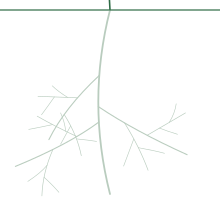
Below the surface: what happens inside an oxygen-starved root
Without oxygen, root cells can’t run their normal energy-making process. They switch to fermentation, which produces only a small fraction of the energy and leaves by-products like ethanol and lactic acid behind. Cells start running out of power, membranes leak, and tissue begins to die.
That’s when the real trouble moves in. Water moulds such as Pythium and Phytophthora thrive in waterlogged soil and attack weakened roots. This is what most people mean by root rot.
Some plants are built for wet feet. Rice, for example, grows air channels in its roots that pipe oxygen down from the leaves. Most houseplants don’t have that option, which is why drainage matters so much.
How sure are we?
Quick questions
How often should I water my houseplant?
There’s no universal schedule. Water when the top couple of centimetres of soil feel dry.
Is bottom watering better?
It works well, but the pot still needs to drain. Don’t leave the plant sitting in water.
Can self-watering pots cause root rot?
They can, especially for plants that like to dry out between waterings. Let the reservoir run empty now and then.
Sources
- Bailey-Serres J, Voesenek LACJ (2008). Flooding stress: acclimations and genetic diversity. Annual Review of Plant Biology 59: 313–339. Read the paper
Spotted something that looks wrong? Email hello@plantdecoded.com and it’ll be checked and corrected.